Minnesota Marriage Frequently Asked Questions – Apa itu pernikahan sipil?
Perkawinan sipil adalah bentuk pengakuan hubungan tingkat negara bagian yang memberikan pasangan berkomitmen dengan perlindungan hukum kritis yang mereka butuhkan untuk dapat menjaga satu sama lain.
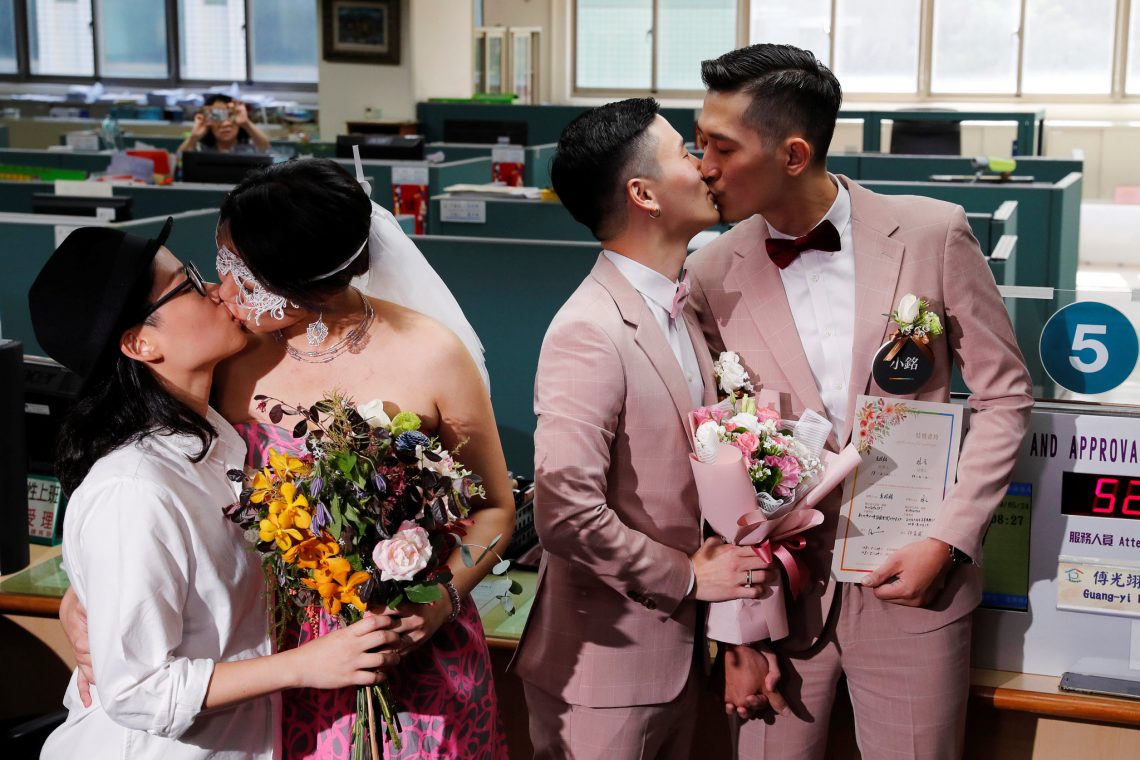
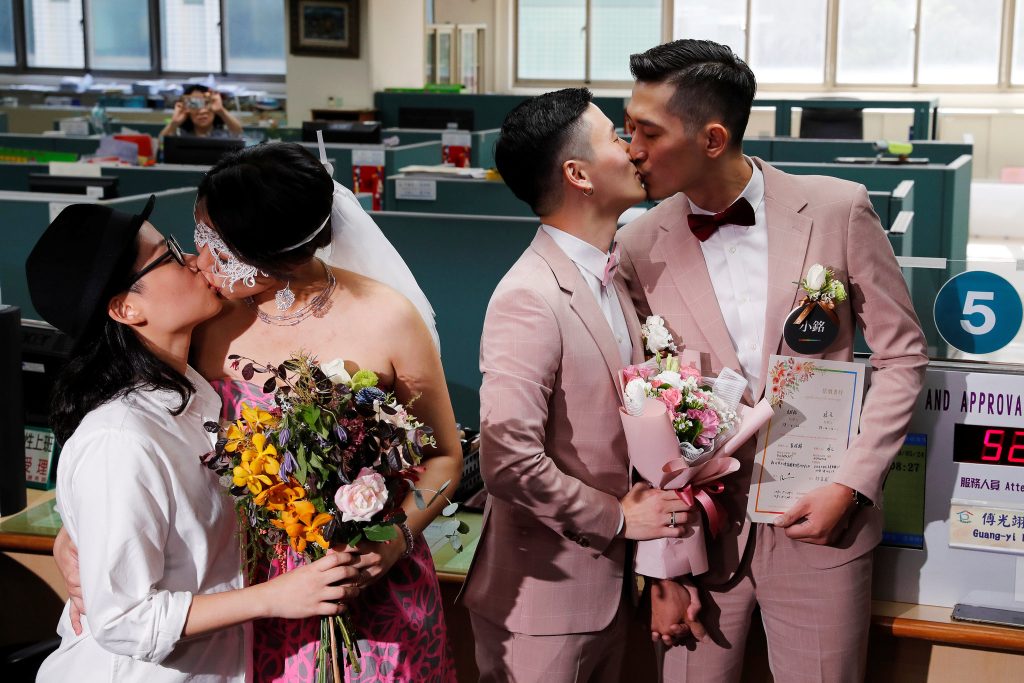
Pasangan sesama jenis dan lawan jenis di Minnesota akan dilindungi oleh undang-undang pernikahan yang sama.
Apakah ada perbedaan antara “perkawinan sipil” dan “pernikahan” di bawah hukum Minnesota?
Tidak. Pernikahan menurut hukum Minnesota adalah masalah perdata, jadi “perkawinan sipil” dan “perkawinan” adalah sama.
Pasangan sesama jenis dan pasangan lawan jenis yang ingin menikah semuanya harus mengikuti hukum yang sama yang ditemukan di Minnesota Statute Bab 517.
Kapan saya dan pasangan saya bisa menikah di Minnesota?
Undang-undang pernikahan Minnesota akan diperluas untuk mencakup pasangan sesama jenis mulai 1 Agustus 2013.
Jika tidak ada surat pernyataan yang ditandatangani oleh hakim, ada masa tunggu 5 hari setelah mengajukan permohonan surat nikah.
Anda tidak akan dapat mengajukan permohonan surat nikah sebelum 1 Agustus.
Perlindungan apa yang akan kita terima setelah kita menikah?
Undang-undang pernikahan yang diperluas di Minnesota memberikan perlindungan hukum yang sama untuk pasangan sesama jenis yang menikah,
pasangan heteroseksual saat ini. Pernikahan memberi pasangan setidaknya 515 manfaat, perlindungan, dan tanggung jawab hukum tingkat negara bagian, termasuk:
- Tanggung jawab untuk dukungan keuangan untuk pasangan
- Tanggung jawab atas keputusan yang berkaitan dengan perawatan dan pengobatan medis
- Tanggung jawab sebagai konservator prioritas, wali, atau perwakilan pribadi untuk pasangan
- Kemampuan untuk mewarisi properti nyata dan pribadi dari pasangan tanpa surat wasiat
- Kemampuan untuk menunjuk mitra secara otomatis sebagai penerima manfaat pensiun
- Kemampuan untuk mengasuransikan pasangan melalui sebagian besar polis asuransi (polis asuransi untuk pasangan karyawan federal tidak terpengaruh oleh undang-undang baru Minnesota)
- Tunjangan penyintas di bawah undang-undang kompensasi pekerja dan pensiun pemerintah negara bagian atau lokal
- Praduga orang tua bagi anak yang lahir selama perkawinan
- Perkawinan juga memberikan tertibnya proses pembubaran, pemeliharaan suami-istri, waktu pengasuhan anak, dan perlindungan-perlindungan lain yang diberikan melalui proses perceraian.
Akankah pernikahan kami di Minnesota memicu tunjangan dan perlindungan federal?
Pernikahan sesama jenis di Minnesota masih tidak akan diakui di bawah undang-undang federal saat ini.
Undang-undang Pertahanan Perkawinan federal (DOMA) saat ini mencegah pemerintah federal untuk mengakui pasangan sesama jenis untuk tujuan federal seperti tunjangan selamat Jaminan Sosial, pendapatan federal dan pajak tanah, dan imigrasi.
Tidak jelas apakah itu akan berubah karena litigasi saat ini tertunda di Mahkamah Agung Amerika Serikat sekarang.
Apakah undang-undang perkawinan yang diperluas akan berdampak pada pendeta atau rumah ibadah?
Iya dan tidak.
Banyak pemimpin agama dan komunitas agama ingin merayakan dan merayakan pernikahan sesama jenis.
Mereka akan dapat melakukannya di bawah undang-undang perkawinan yang diperluas.
Jika seorang pemimpin agama tidak ingin melangsungkan pernikahan sesama jenis, mereka tidak harus melakukannya.
Pendeta dan komunitas agama yang tidak ingin mengakui pernikahan sesama jenis mempertahankan kebebasan beragama untuk menikah atau memberkati persatuan berdasarkan keyakinan agama mereka.
Konstitusi dan Undang-Undang Hak Asasi Manusia Minnesota melindungi kebebasan beragama untuk semua rumah ibadah.
Bagaimana jika saya menikah secara resmi di negara bagian atau negara lain – apakah itu akan diakui di Minnesota?
Ya. Pernikahan resmi Anda dari negara bagian atau negara lain akan diakui sebagai pernikahan di Minnesota mulai pukul 12:01 1 Agustus 2013.
Bagaimana jika pasangan saya dan saya mendaftar di kota Minnesota tempat kami tinggal sebagai kemitraan domestik – akankah kemitraan domestik kami diakui sebagai pernikahan?
Tidak. Jika Anda ingin menikah dengan pasangan Anda, Anda harus menikah.
Bagaimana jika saya memiliki serikat sipil dari negara bagian lain – apakah itu akan diakui sebagai pernikahan di Minnesota?
Tidak. Jika Anda dan pasangan Anda ingin menikah menurut hukum Minnesota, Anda harus menikah.
Bagaimana jika saya menikah secara resmi di negara bagian lain bertahun-tahun yang lalu tetapi kami tidak pernah secara resmi memutuskan hubungan itu? Bisakah saya menikah dengan orang lain di Minnesota?
Tidak. Pernikahan sesama jenis antara dua orang yang dibuat secara sah di yurisdiksi lain (bahkan jika Minnesota tidak mengakuinya pada saat itu) akan diakui sebagai pernikahan di Minnesota.
Untuk mendapatkan surat nikah di Minnesota, Anda tidak boleh menikah dengan orang lain.
Anda harus mendapatkan perceraian atau pembatalan agar memenuhi syarat untuk menikah dengan orang lain.
Periksa dengan yurisdiksi tempat Anda tinggal atau jika pernikahan Anda tidak diakui di sana, yurisdiksi tempat Anda menikah secara sah, untuk menentukan proses perceraian.
Jika saya menikah secara resmi di negara bagian lain, dapatkah saya menikah kembali dengan pasangan saya di Minnesota berdasarkan undang-undang yang diperluas?
Tidak. Mulai 1 Agustus 2013 Minnesota akan mengakui pernikahan resmi dari negara bagian dan yurisdiksi lain, jadi pasangan tersebut sudah menikah di mata hukum Minnesota.
Tentu saja, segala jenis upacara lainnya (komitmen ulang, dll.) sepenuhnya diperbolehkan dan banyak yang berencana untuk mengadakan upacara atau perayaan semacam ini.
Bagaimana undang-undang pernikahan yang baru memengaruhi transgender Minnesotans?
Pernikahan tersedia untuk semua warga Minnesota terlepas dari jenis kelamin salah satu pihak.
Bisakah saya dan pasangan saya bercerai berdasarkan undang-undang pernikahan yang baru?
Ya, semua pasangan menikah berhak atas manfaat dan perlindungan perceraian menurut undang-undang pernikahan Minnesota.
Ini termasuk pasangan yang menikah di Minnesota, tetapi tinggal di negara bagian lain dan tidak dapat bercerai di negara bagian itu.
Apakah saya harus menunggu sampai 1 Agustus untuk mengajukan cerai?
Ya. Mengingat bahwa negara bagian Minnesota tidak akan mengakui pernikahan sah pasangan sesama jenis hingga 1 Agustus 2013, juga tidak dapat memulai proses perceraian hingga tanggal tersebut.
Langkah apa yang harus kita ambil (jika ada) untuk memberi tahu majikan kita tentang pernikahan yang sudah ada yang akan menjadi sah pada 1 Agustus? Jika kita sudah memiliki manfaat pasangan rumah tangga melalui majikan kita tetapi juga memiliki pernikahan sah dari yurisdiksi lain yang mungkin tidak mereka sadari, apakah ada perubahan yang perlu mereka lakukan dan apakah kita perlu memberi tahu mereka tentang pernikahan sah kita sehingga mereka dapat membuat perubahan tersebut tepat waktu (sebelum 1 Agustus?
Anda harus memeriksa dengan departemen SDM Anda untuk mengonfirmasi informasi apa yang mereka butuhkan (dan pada timeline apa) mengenai perubahan status hukum Anda untuk memastikan cakupan manfaat yang tepat.
Ini harus menjadi kebijakan yang sama untuk karyawan dalam pernikahan lawan jenis yang memiliki perubahan status hubungan hukum mereka.
Bagaimana jika saya bekerja untuk organisasi yang tidak memberikan manfaat bagi pasangan sesama jenis? Apakah majikan saya akan diminta untuk menawarkan pertanggungan ini pada 1 Agustus? Bagaimana jika majikan saya mengatakan bahwa pernikahan adalah acara yang memenuhi syarat untuk membuat perubahan dalam pertanggungan?
Untuk pasangan sesama jenis yang menikah secara sah di negara bagian lain, mulai 1 Agustus 2013, secara umum, majikan Anda akan diminta untuk memberikan tunjangan yang sama kepada Anda dan pasangan Anda seperti yang disediakan untuk pasangan dari karyawan lain yang sudah menikah.
Jika majikan Anda tidak menawarkan tunjangan kepada pasangan karyawan lain, mereka tidak akan diminta untuk melakukannya untuk pasangan sesama jenis karyawan.
Waktunya akan berbeda dari pemberi kerja ke pemberi kerja, tetapi jika rencana tunjangan Anda menggambarkan pernikahan sebagai peristiwa yang memenuhi syarat untuk membuat perubahan pada pertanggungan Anda, Anda harus dapat memicu perubahan 1 Agustus, segera setelah pernikahan Anda diakui secara hukum oleh Negara Bagian Minnesota .
Berapa biaya surat nikah?
Biaya untuk aplikasi surat nikah di Minnesota adalah $40,00 untuk pihak yang telah menyelesaikan setidaknya 12 jam pendidikan pranikah.
Biaya untuk lisensi adalah $115,00 jika Anda belum memenuhi persyaratan pendidikan pranikah.
Informasi lebih lanjut untuk Kabupaten Hennepin dapat ditemukan di sini dan untuk Kabupaten Ramsey di sini .
Periksa online untuk detail dari negara lain.
Siapa yang secara legal dapat melakukan pernikahan di Minnesota?
Perkawinan dapat dilangsungkan di seluruh negara bagian oleh seorang yang telah mencapai umur 21 tahun dan telah menjadi hakim pengadilan, pensiunan hakim pengadilan, seorang administrator pengadilan, pensiunan administrator pengadilan dengan persetujuan hakim kepala distrik yudisial, mantan komisaris pengadilan yang dipekerjakan oleh sistem pengadilan atau bertindak sesuai dengan perintah hakim kepala distrik yudisial komisioner, administrator sekolah tempat tinggal dari Minnesota State Academy for the Deaf dan Minnesota Akademi Orang Buta Negara, seorang pendeta berlisensi atau ditahbiskan dari denominasi agama apa pun, atau dengan cara apa pun yang diakui di bagian 517.18.
Untuk tujuan bagian ini, pengadilan catatan mencakup Kantor Dengar Pendapat Administratif berdasarkan bagian 14.48 .
Jika kita ingin mengadakan upacara sipil daripada upacara keagamaan, apa pilihan atau pejabatnya?
Jika Anda tertarik dengan upacara pernikahan sipil, Anda harus menghubungi kamar hakim sendiri.
Minnesota tidak memiliki Justice of the Peace.
Wasit tidak dapat melakukan pernikahan dan Hakim tidak diharuskan untuk melakukan pernikahan, tetapi dapat melakukannya jika mereka memilih.
Di Kabupaten Hennepin, lihat Daftar Hakim untuk Upacara Perkawinan untuk informasi kontak, atau, hubungi “Jalur Pernikahan” di 612-348-9962 untuk mendengarkan rekaman pesan daftar hakim dan informasi kontak mereka.
Di wilayah Ramsey, Hakim Wilayah Ramsey yang melakukan upacara pernikahan dapat ditemukan di sini .
Periksa situs web county untuk informasi yang terkait dengan county lain di Minnesota.
Apakah pernikahan menggantikan pengaturan hukum sebelumnya antara pasangan sesama jenis, seperti surat wasiat, dokumen surat kuasa, perjanjian pengasuhan bersama, dll.?
Ini dapat bervariasi tergantung pada keadaan Anda dan Anda harus berkonsultasi dengan pengacara untuk kasus spesifik Anda.
Secara umum, sementara undang-undang Minnesota memberikan hak dan manfaat, termasuk hak untuk mewarisi dan membuat keputusan medis untuk pasangan, pasangan dapat menggunakan kontrak untuk memberikan persyaratan tambahan.
Mengenai pengasuhan anak, bagi anak yang lahir sebelum perkawinan, perkawinan tidak dengan sendirinya mengubah perjanjian pengasuhan anak demi hukum.
Dimana saya bisa mengajukan permohonan surat nikah?
- Di Hennepin County, ada beberapa opsi, termasuk online dan secara langsung di Pusat Layanan Hennepin County mana pun. Informasi lebih lanjut di sini .
- Di Ramsey County, Anda dapat mengajukan permohonan lisensi Anda di Departemen Kesehatan Ramsey County, 555 Cedar Street, Saint Paul, MN 55101. Informasi lebih lanjut tersedia di sini .
- Periksa online untuk informasi yang terkait dengan negara lain.
Jika saya tinggal di negara bagian yang berbeda, bisakah saya mendapatkan surat nikah dan menikah di Minnesota?
Ya. Undang-undang pernikahan Minnesota yang diperluas tidak mencakup persyaratan tempat tinggal.
Cukup hubungi kantor wilayah yang mengawasi surat nikah untuk menentukan cara terbaik untuk melamar dari luar negara bagian.
Apa konsekuensi dari pernikahan sesama jenis pada orang tua dan adopsi?
Untuk pasangan yang sudah menikah, kecuali jika orang tua ditentang secara hukum, baik ibu kandung maupun pasangannya diakui sebagai orang tua yang sah dari anak baru dan akan terdaftar sebagai orang tua pada akta kelahiran sebagai “orang tua”.
Ini akan sama untuk pasangan sesama jenis yang menikah seperti halnya untuk pasangan lawan jenis yang menikah.
Untuk pasangan menikah yang bekerja dengan pengganti, proses hukum mungkin diperlukan untuk mentransfer hak orang tua dari pengganti kepada orang tua.
Dalam kasus di mana salah satu pasangan memiliki anak sebelum pernikahan, adopsi orang tua kedua akan diperlukan dengan cara yang sama seperti yang dilakukan untuk pasangan lurus.
Setelah lengkap, nama kedua orang tua akan dicantumkan di akta kelahiran sebagai “orang tua”.
…